Printing and layout
Incorrect fonts, spacing, borders, symbols, text alignment, and artwork crops can indicate that a card does not match its claimed printing.
Powered by rarvo
One photograph rarely settles it. Here is what actually matters when a card is in question — and if it turns out to be fake, rarvo will pay you for it.
Incorrect fonts, spacing, borders, symbols, text alignment, and artwork crops can indicate that a card does not match its claimed printing.
Texture, foil movement, shine direction, and reflective behavior may differ from genuine examples. These features vary by printing and cannot be reduced to one universal rule.
Color, registration, edge construction, thickness, and visible layers can provide useful evidence, particularly when compared with the correct language and printing.
Where the card came from, whether several identical cards appeared together, and whether its price or seller behavior was unusual can help determine how closely it should be reviewed.
No single sign above proves that a card is genuine or counterfeit.
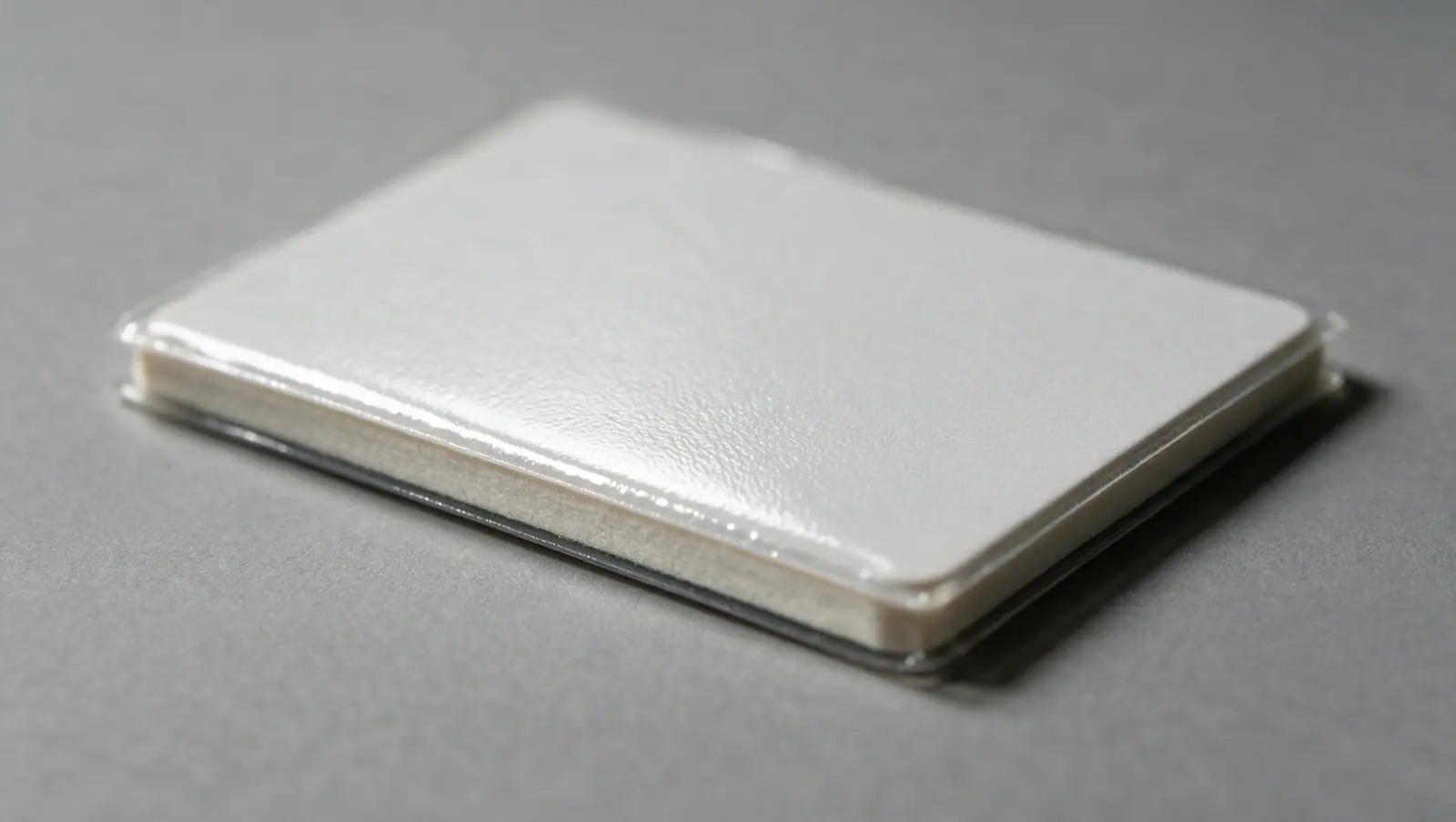
Whole card in frame, square to the camera, no crop.
Same framing as the front, so the two can be compared.
A single light source that reveals surface texture and gloss.
A few seconds of slow tilt so foil and shine behavior are visible.
Close on the edge so layers and construction are legible.
The exact printing matters more than the character on the card.
Seller, marketplace, trade, pack, or collection history.
What you noticed, in your own words.
Detection means knowing the boundary between real and fake. Genuine references from different sets, languages, years, and production runs are as valuable to the library as the counterfeits — and they are on the wanted list at the same rates.
Contribute a genuine cardAccepted bounty submissions receive rarvo’s assessment as part of review. It is an advisory opinion, not a certification, a grade, or a guarantee. For a high-value card, professional grading is still the final word.
Accepted digital cases pay $5-15. Mailed counterfeit cards pay $15-40 plus reimbursed shipping. Featured bounty cards pay the amount posted on the board. Payment is for accepted, unique submissions only.
No. Genuine, counterfeit, suspected counterfeit, and uncertain cards are all useful when they include a complete capture and honest provenance.
Yes. Include clear photographs of the entire holder, label, certification number, card front, card back, and any area that concerns you.
Submitted media is stored privately and used to build and improve authentication systems. rarvo does not publish your photographs, your name, or your personal details.
No. rarvo is independent and is not affiliated with, endorsed by, or sponsored by The Pokémon Company, The Pokémon Company International, Nintendo, Creatures Inc., or Game Freak.
